

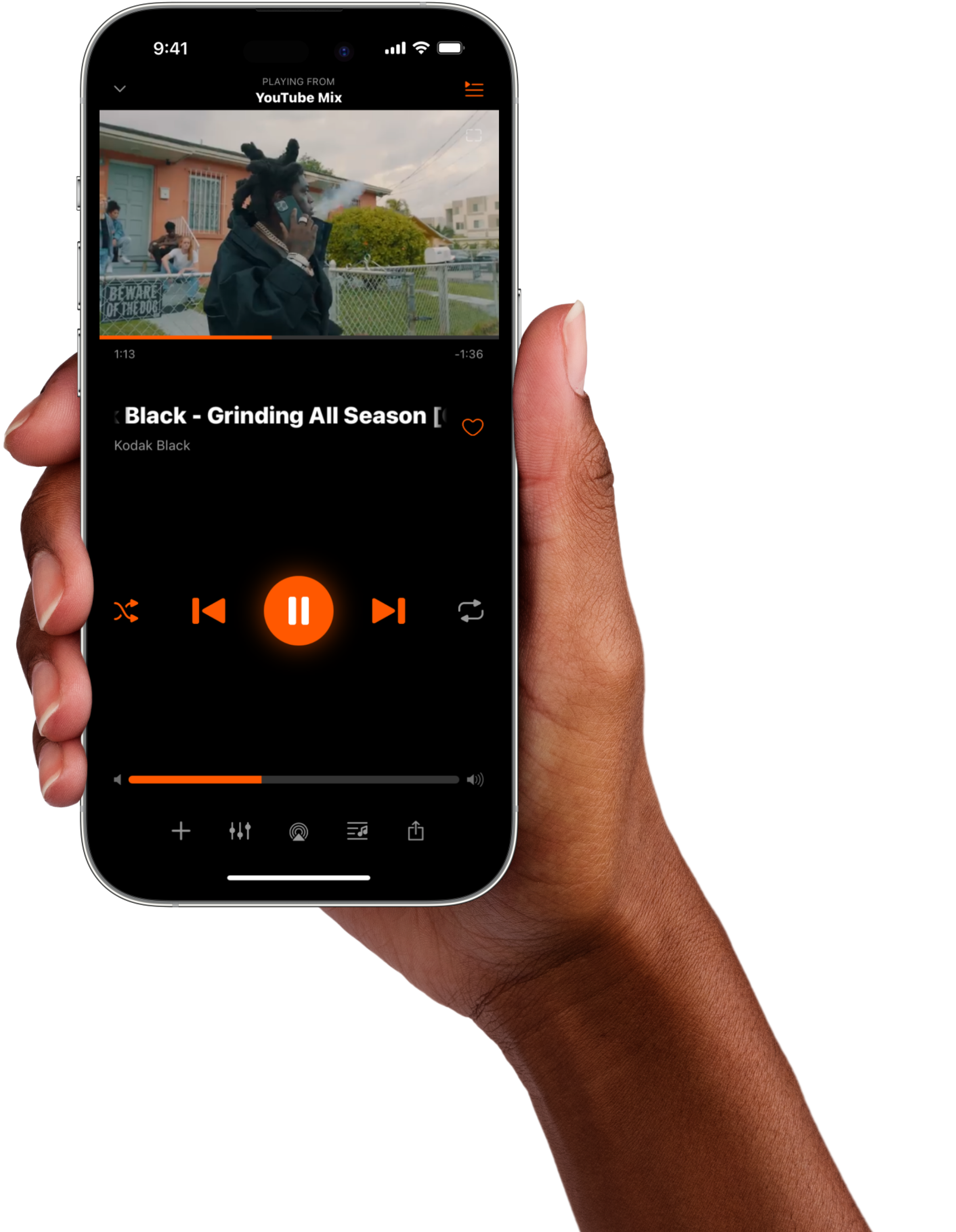
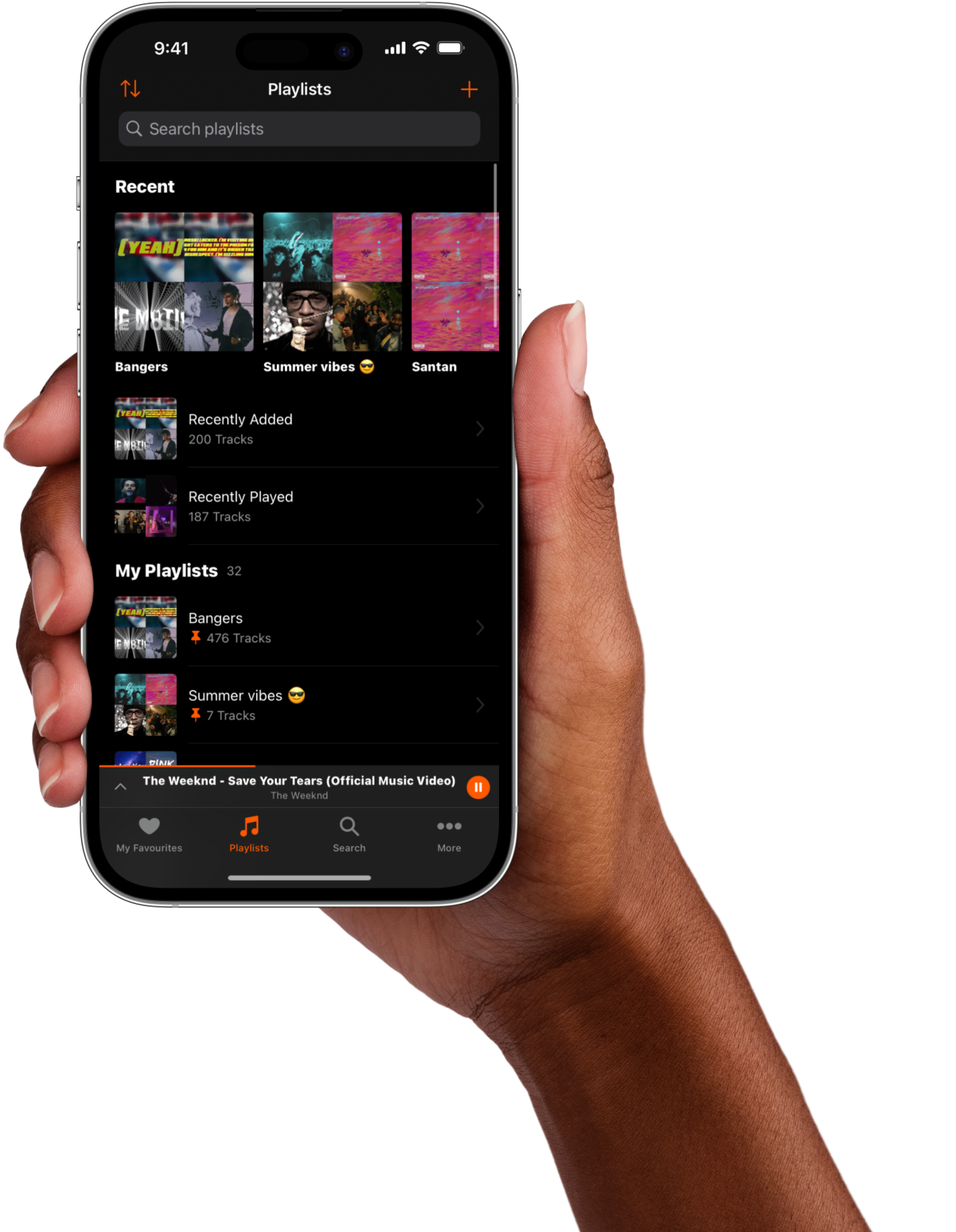

Your music, organized the way you want. Check out
the app that millions of people use everyday.
Your music, organized the way you want. Check out the app that millions of people use everyday.

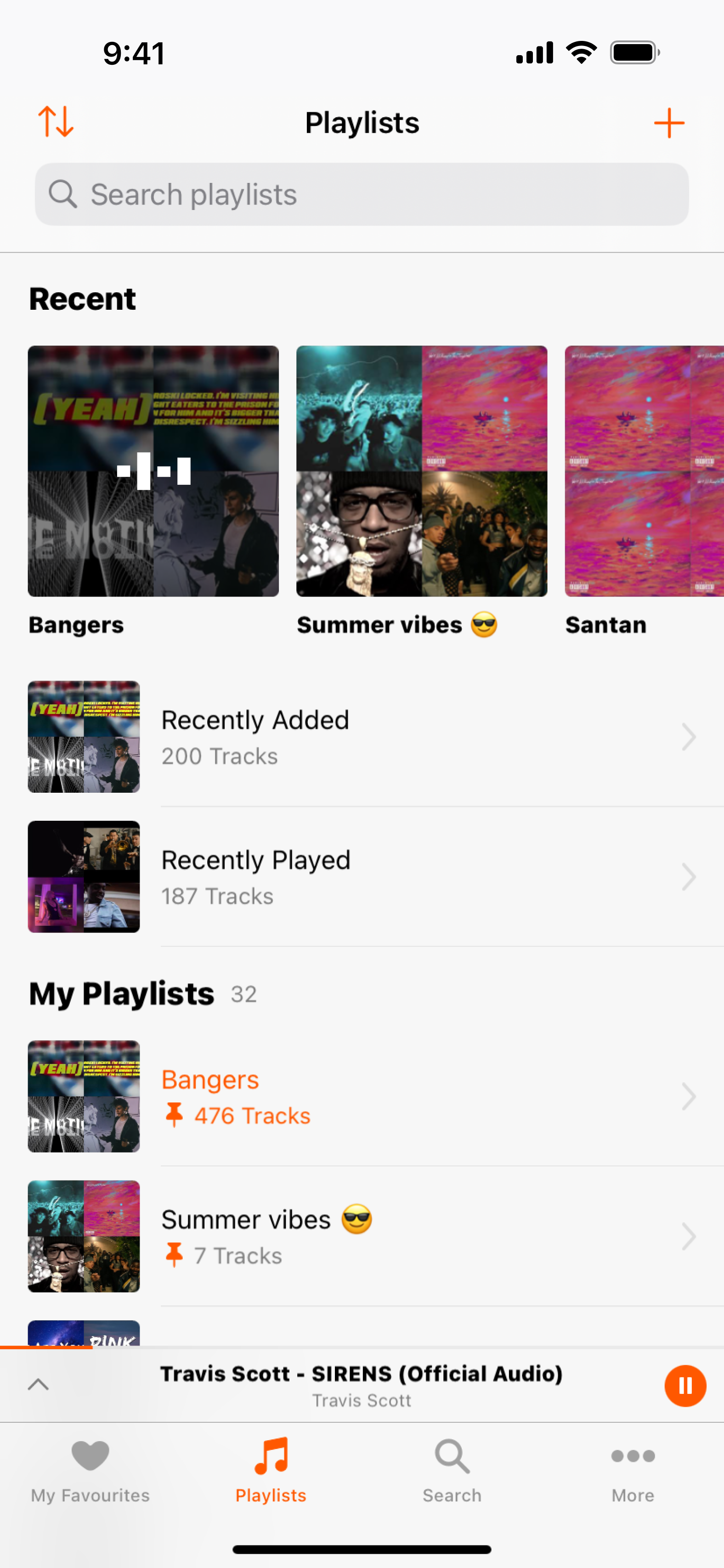
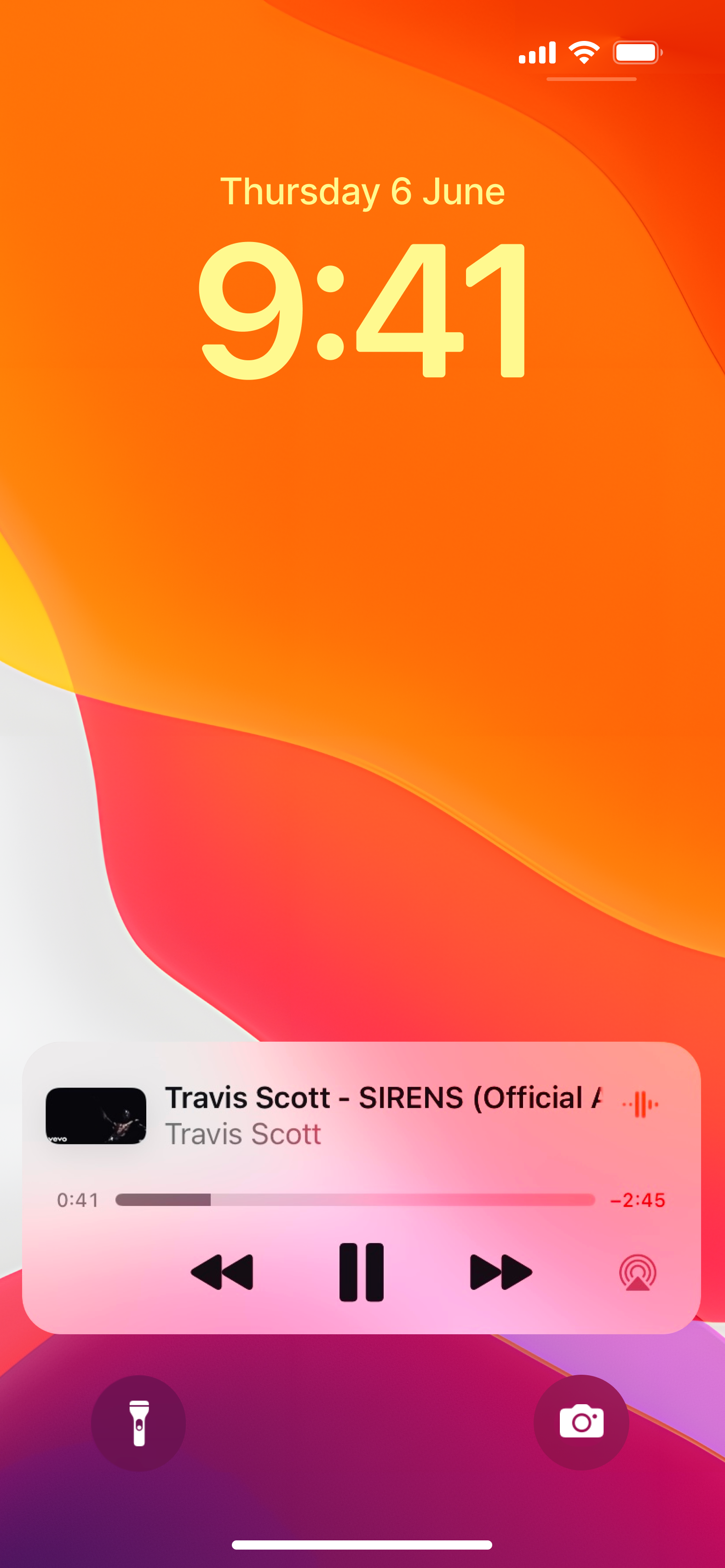
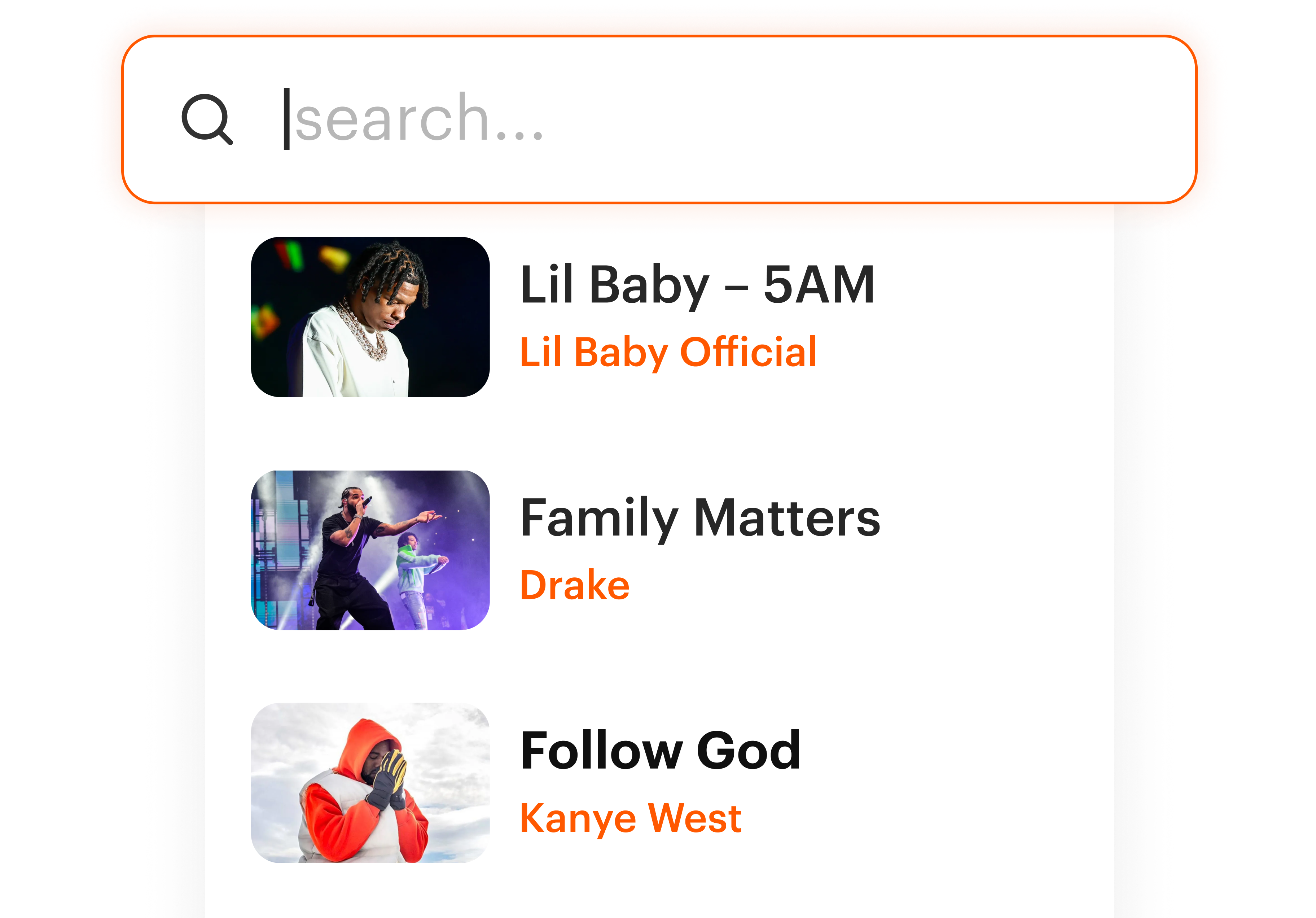
Access YouTube search directly through Musi
Just one tap to switch between your favorites, playlists, and search
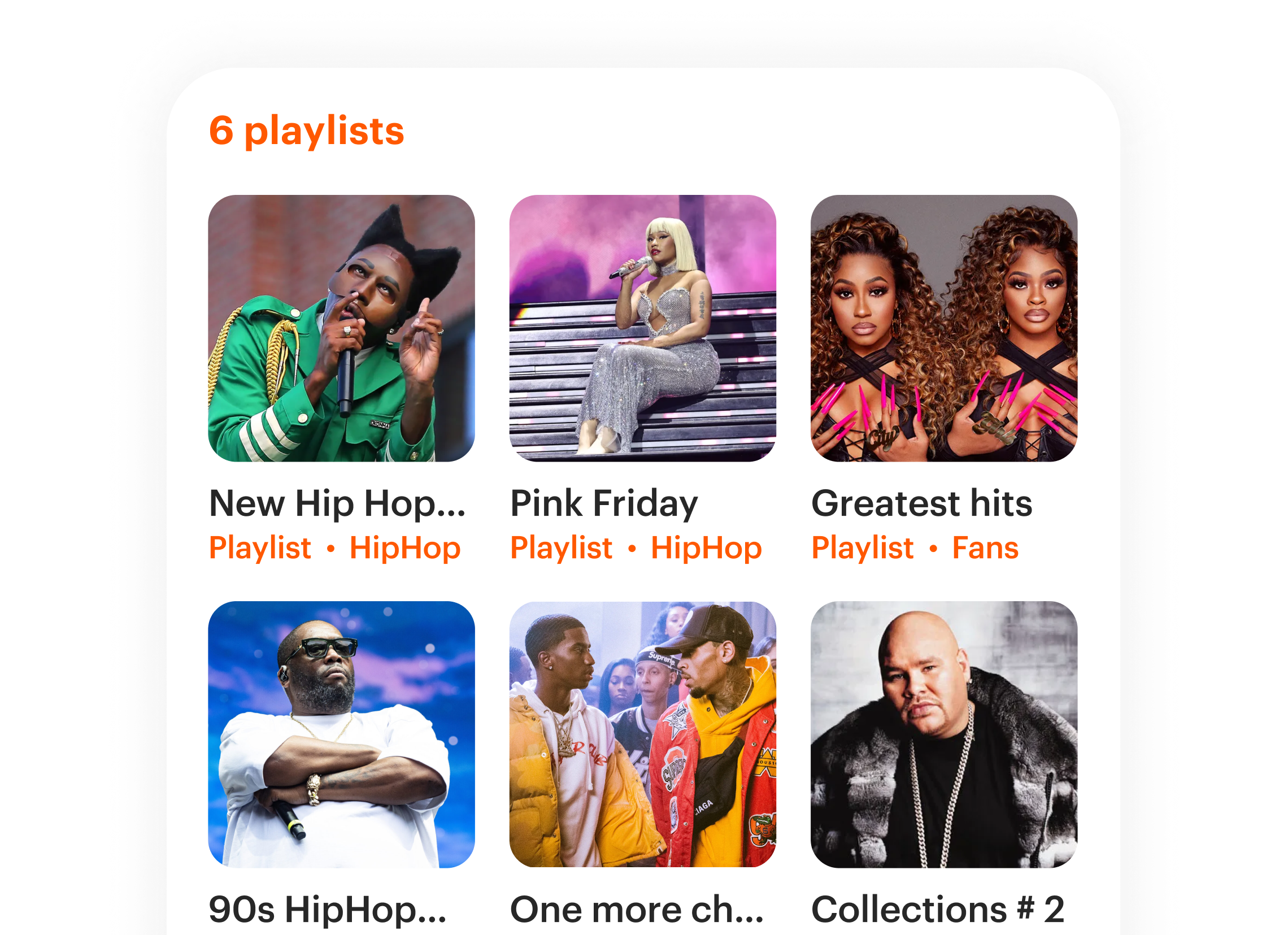
You can add your own artwork to them too
Everything is yours - we don’t track you with accounts

Musi emphasizes the playlists that YOU create

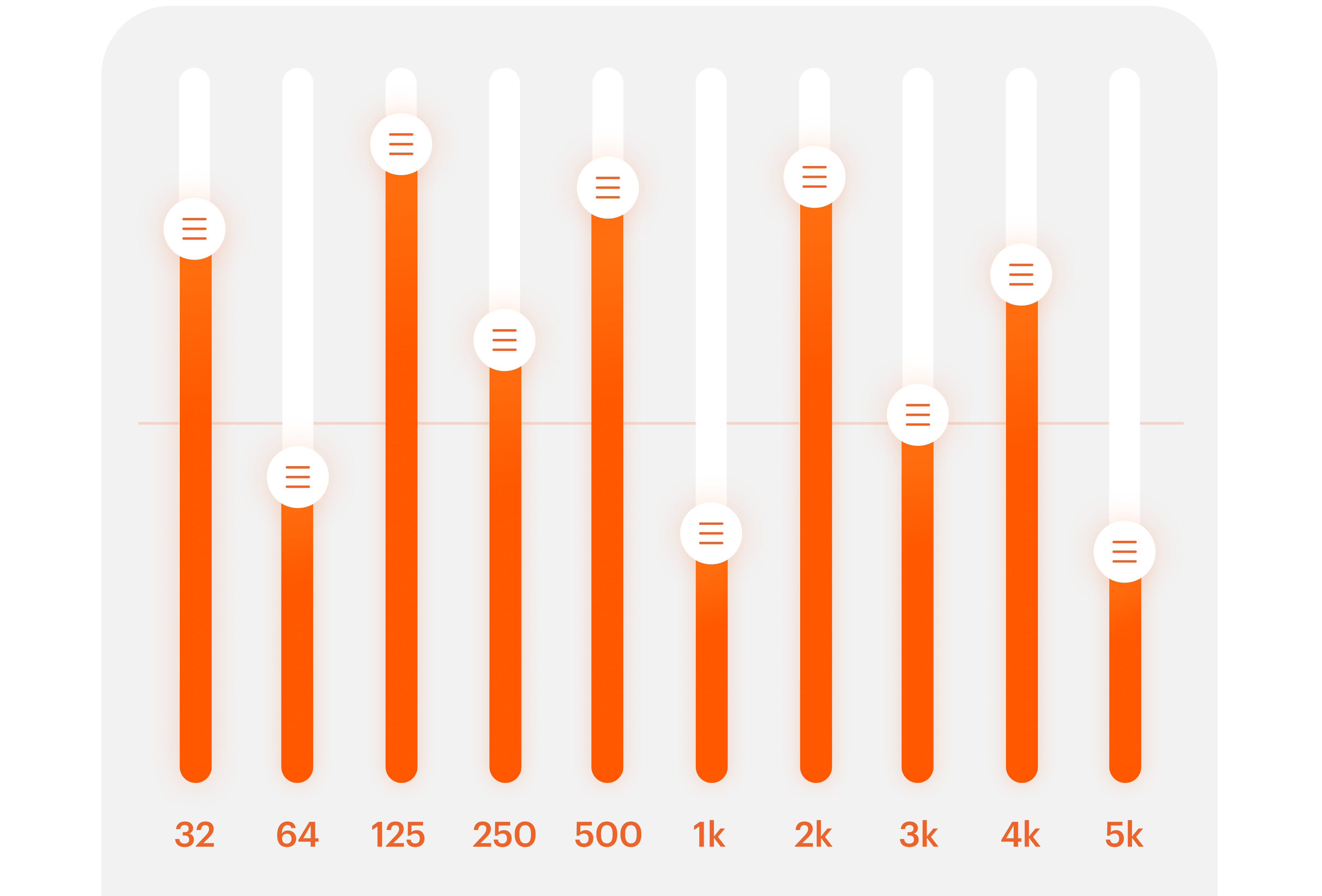
For the loudest bass, of course
See why Musi has been a staple on iOS for over 10 years.
—were the literal front lines of the modern movement. During the Stonewall Uprising of 1969, those who lived outside traditional gender norms had the least to lose and the most to fight for. This spirit of radical authenticity
Today, there is a widespread recognition that true liberation is impossible without a united front. The acronym has expanded (LGBTQIA+) to explicitly recognize the vast spectrum of identities, cementing the trans community's rightful place at the table. Modern Cultural Visibility and Advocacy
. Despite facing disproportionate levels of discrimination, the transgender community continues to lead in art, tech, and philosophy, turning personal struggle into a universal call for empathy
By honoring the radical history of trans activists and continuing to dismantle rigid binary expectations, the LGBTQ+ movement moves closer to its foundational goal: a world where everyone can live authentically and safely in their truth. big ass shemale clip
The community has pioneered a more precise vocabulary for the human experience, popularizing the use of personal pronouns
Within LGBTQ+ culture, this distinction is vital. A transgender person can be gay, straight, bisexual, or asexual. By including the transgender community, the LGBTQ+ movement acknowledges that liberation requires dismantling both "heteronormativity" (the assumption that everyone is straight) and "cisnormativity" (the assumption that everyone identifies with the sex they were assigned at birth). Cultural Contributions and Language
This tension—the friction between respectability politics and radical inclusion—has defined the transgender relationship with broader LGBTQ culture for decades. The community’s history is not a footnote; it is the ink in which the modern fight for queer dignity was written. To be transgender in the 20th century was to exist at the intersection of gender nonconformity, poverty, and police brutality—experiences that catalyzed the very idea of "coming out" as a political act. —were the literal front lines of the modern movement
marked a turning point where trans performers were marketed to a mainstream, heterosexual audience. Evolution of Language
Before the famous 1969 Stonewall Riots in New York City, gender-nonconforming individuals led earlier uprisings against police harassment. The 1966 Compton’s Cafeteria Riot in San Francisco, led largely by transgender women and drag queens, marked one of the first recorded collective actions against state oppression in American history. When the Stonewall Riots occurred, figures like Marsha P. Johnson and Sylvia Rivera became foundational icons, cementing the trans community's role at the forefront of liberation. The Evolution of the Acronym
The keyword "big ass shemale clip" serves as a reminder of the complexities and nuances of online content creation and consumption. You can foster a more positive and considerate environment for everyone. The acronym has expanded (LGBTQIA+) to explicitly recognize
For LGBTQ culture to truly honor its roots, it must do more than fly a Progress Pride Flag (which includes the trans chevron). It must:
Access to gender-affirming care—supported by major medical associations worldwide—remains a critical necessity for mental health and well-being. Simultaneously, social affirmation, such as the correct use of a person's chosen name and pronouns, serves as a simple yet life-saving act of basic human respect.
Musi is an organizational tool for videos on YouTube, with an emphasis on features tailored toward music. Musi allows you to easily create and share playlists, control your audio with an equalizer, crossfade between videos, sing along with lyrics, easily control and re-arrange your up next queue, and more.
Musi currently supports importing playlists that you have saved on YouTube. This can be achieved by tapping the Playlists tab and then tapping the “+” button on the top right.
Open the playlist and tap the “+” button. From here, you can search to add tracks or merge tracks from other playlists. Playlists that have been shared with you are read-only and cannot be added to.
Visit the Playlists tab and tap the "+" button.
Musi requires an internet connection to play videos at all time, and can work on both data and WiFi. Data rates will apply, although Musi strives to be as lightweight as possible.


Disclaimer. This is not the official site of Musi. This is a prototype made and owned by Nate Billion
All Rights Reserved © 2026 SwiftStudio