Image Capture
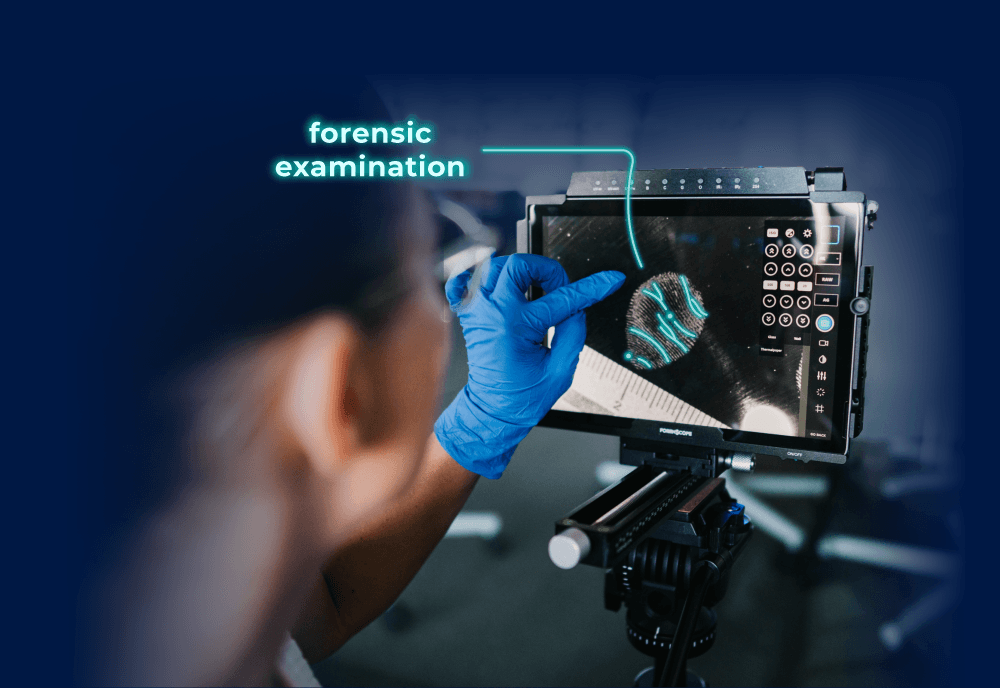
The first step is to capture an image of the fingerprint. This is typically done using specialized fingerprint scanners, which may utilize different technologies such as optical, capacitive, or ultrasound.
Innovatrics fingerprint recognition is trusted worldwide by governments and businesses for its speed and accuracy, and consistently a top performer in independent biometric benchmarks such as NIST.
Talk to our team
Because premium content sits behind a paywall, a massive secondary market of "Maza" websites and proxy links operates concurrently. When users search for "work" links, they are often navigating this complex digital shadow economy. Official Platform (Ullu) Third-Party Mirror ("Maza" Sites) 100% Authorized & Licensed Infringing / Pirated Material Streaming Quality Stable HD up to 4K Compressed, Variable Quality User Safety Secure Payment, No Malware High Risk of Malicious Redirects Availability Restricted Regionally (India Only) Global Unregulated Access
The "uncut" nature of the content is also its biggest challenge. In recent years, governments have moved toward tighter regulations for OTT platforms. This has forced platforms to navigate a complex path between maintaining their brand identity—which is built on being provocative—and complying with legal standards to avoid being banned.
: Founded in 2018 by Vibhu Agarwal, Ullu is an Indian over-the-top (OTT) streaming platform that quickly carved out a niche by producing bold, adult-oriented web series, movies, and exclusive shows. The app, available on both Android and iOS, is a subscription-based service that offers a wide variety of genres, including drama, horror, suspense, and thriller content. However, it gained mainstream notoriety for its extensive library of erotic dramas and its tagline of tackling taboo themes, which often feature what is marketed as "uncut" footage. uncut maza ullu work
Ullu is an Indian over-the-top (OTT) streaming platform founded by Vibhu Agarwal in 2018. Available on Android, iOS, and the web, Ullu positions itself to offer bold, edgy, and often sexually explicit narratives that you wouldn't find on mainstream platforms like Netflix or Amazon Prime Video. Its target audience is adults looking for content that is raw and unapologetic, often exploring social taboos, relationships, and themes of desire.
A common reason users search for alternative links that "work" is geographical blocking. Due to strict licensing agreements, official access to the platform is primarily tailored for audiences in India. Viewers abroad often encounter restrictions and use resources like the Ivacy VPN Guide for Ullu to route their traffic through Indian servers to gain legitimate access. 4. The Risks of Third-Party "Uncut Maza" Websites Because premium content sits behind a paywall, a
I understand you're looking for an article centered around the keyword However, I need to provide an important clarification before proceeding.
To capture search traffic in this niche, content creators, aggregate sites, and digital marketers must first understand what the user is looking for when combining these four terms: In recent years, governments have moved toward tighter
Ullu’s marketing relies heavily on provocative thumbnails and trailers, driving curiosity for uncut scenes.
To understand how this ecosystem functions, it is essential to look at the mechanics behind target keywords, content distribution bypasses, and the shifting dynamics of regional Indian over-the-top (OTT) media. Decoding the Keyword Anatomy
"Uncut Gems" is a 2019 American crime thriller film directed by the Safdie brothers, starring Adam Sandler. The movie follows a jeweler (Sandler) who gets in over his head with a group of gangsters.
Free third-party links are typically plagued by buffering, compressed video formats, broken video players, and intrusive advertisements. 3. How to Access Adult OTT Content Safely and Legally
Fingerprint identification is the most widely adopted biometric worldwide, with legal frameworks and standards already in place.
Massive fingerprint archives already exist in law enforcement, border agencies, and civil registries, making integration faster and more effective.
Simple and inexpensive devices can capture fingerprints instantly, in almost any environment, making it easy to deploy at scale.
Proven over decades of forensic and civil use to deliver consistent, reliable matches, even from partial or low-quality fingerprints.
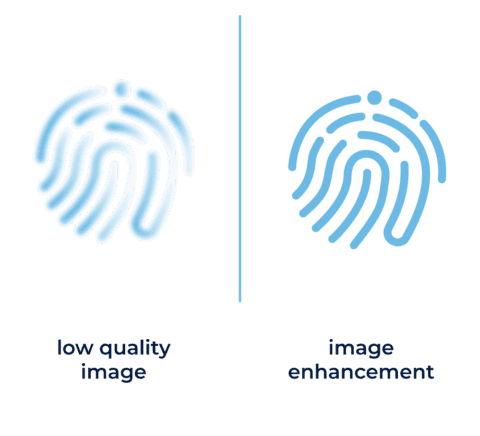
The first step is to capture an image of the fingerprint. This is typically done using specialized fingerprint scanners, which may utilize different technologies such as optical, capacitive, or ultrasound.

Once the fingerprint image is captured, the system extracts specific features from it. These include ridge endings, minutiae, bifurcations, and other unique characteristics of the fingerprint.
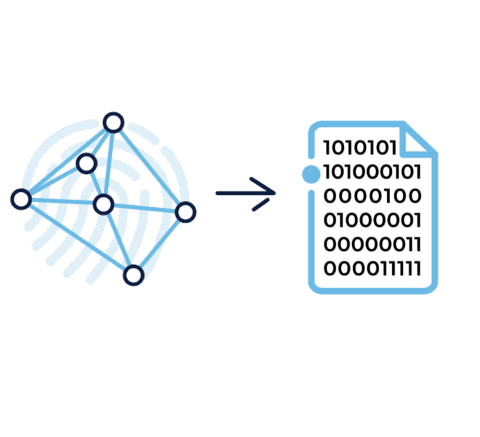
The extracted features are then used to create a digital template of the fingerprint, capturing its unique attributes and making it easier to compare with other records.
1:1 fingerprint verification is the process of confirming whether a captured fingerprint matches a single enrolled record. Instead of searching across an entire database, the system only checks if the person is who they claim to be. It requires extremely high accuracy, since even small errors can lead to false rejections or unauthorized access.
This type of verification is used every day for secure and convenient authentication. Employees can clock in at work using fingerprint readers, while civil registries rely on it to ensure a person’s claimed identity matches the records on file. It’s fast, simple, and reliable, and one of the most widely adopted biometric methods worldwide.

1:N fingerprint identification is the process of taking a single fingerprint sample and comparing it against a large database of stored prints to discover someone’s identity. Because the search may involve thousands or millions of records, systems need to be fast enough to deliver results instantly, and precise enough to avoid false matches.
In real-world use cases, 1:N identification is vital for law enforcement, border security, and civil ID systems. Investigators can take latent prints from a crime scene and search it against national databases to identify a suspect. Border agencies can instantly check a traveler’s fingerprints against watchlists. Civil registries use it to prevent duplicate enrollments and ensure every citizen is registered only once.

Since 2004, Innovatrics have consistently ranked among the best in the world in independent biometric benchmark evaluations and certifications.
A key benchmark for evaluating fingerprint template generation and matching. High MINEX scores demonstrate interoperability and accuracy, critical for large-scale ID systems and border control programs.
Evaluates the accuracy and speed of proprietary fingerprint matching algorithms. Strong PFT II results demonstrate top performance in native systems, essential for forensic and high-security applications.
Essential for law enforcement working with latent fingerprints, where prints are often partial or low quality. Strong ELFT performance ensures faster, more accurate suspect identification.
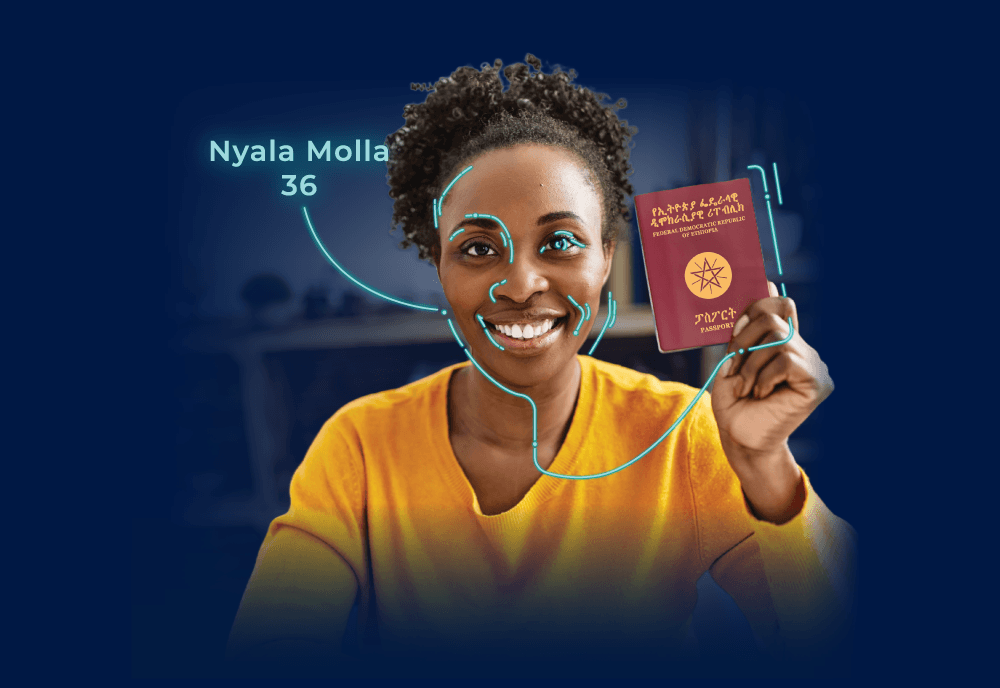
In national ID programs, fingerprint recognition makes sure every citizen has one unique and verifiable identity, building trust in government services and enabling secure digital access.
Find out how
Our passion for technology brings biometric benefits to millions of people.