Usb Mass Storage Devicenand Usb2disk Full =link= Review
- Program-friendly
- Work orders
- BPI-2400 compliant
- Document storage
- DOE Home energy scores
- API integrations and more

Corrupted drivers can cause the "USB Mass Storage Device" to behave abnormally. Press and select Device Manager . Expand Universal Serial Bus controllers .
Download the specific MPTool software and run it to force-flash a factory-fresh copy of the firmware onto your drive. Summary: Is Your USB Drive Salvageable?
| Main Controller | Capacity & Flash Type | Common Identification String | | :--- | :--- | :--- | | | ~1 GB Micron QLC | NAND USB2DISK | | FirstChip chipYD2022 | ~16 GB Hynix MLC | NAND USB2DISK | | FirstChip chipYC2018 | Various | NAND USB2DISK |
Another common symptom is a drive that appears in Device Manager but shows "Please insert a disk" when accessed. This can happen when:
Sometimes, another device takes your drive's assigned letter. Use Disk Management in Windows to assign a new drive letter. Preventing Future "Full" Issues
USB ports can fail. Plug the device into a different port, ideally directly into the motherboard (rear ports on a desktop) rather than a hub.
Many generic drives use QLC or low-grade TLC NAND, which contributes to slow speeds and short lifespans.
Type list disk , then select disk X (replace X with your USB's number). Type clean to wipe all partitions/signatures. Type create partition primary . Finally, format it in Windows.
To fix the error, you need to clear corrupt partition data or replace failing flash hardware. This error typically happens when a USB drive's controller chip loses communication with its NAND flash memory, or when the drive partition becomes deeply corrupted, falsely reporting that the drive has zero bytes of free space.
Microsoft Windows has supported USB mass storage since Windows 2000 via a generic driver, and third-party drivers became available for Windows 98 and Windows 98SE.
Outdated or corrupted USB drivers (see Windows Q&A regarding usbstor ) hinder data transfer.
Hidden files, including system backups, or unallocated space on the drive might be consuming space without being visible.
Snugg Pro automates time-consuming tasks like formatting photos and layout so you can focus on the content.
Some homeowners are technical, others are not. Some are earth-conscious, others budget-minded, and many are comfort seekers. Snugg Pro lets you create audit reports that are as unique as the people you serve.

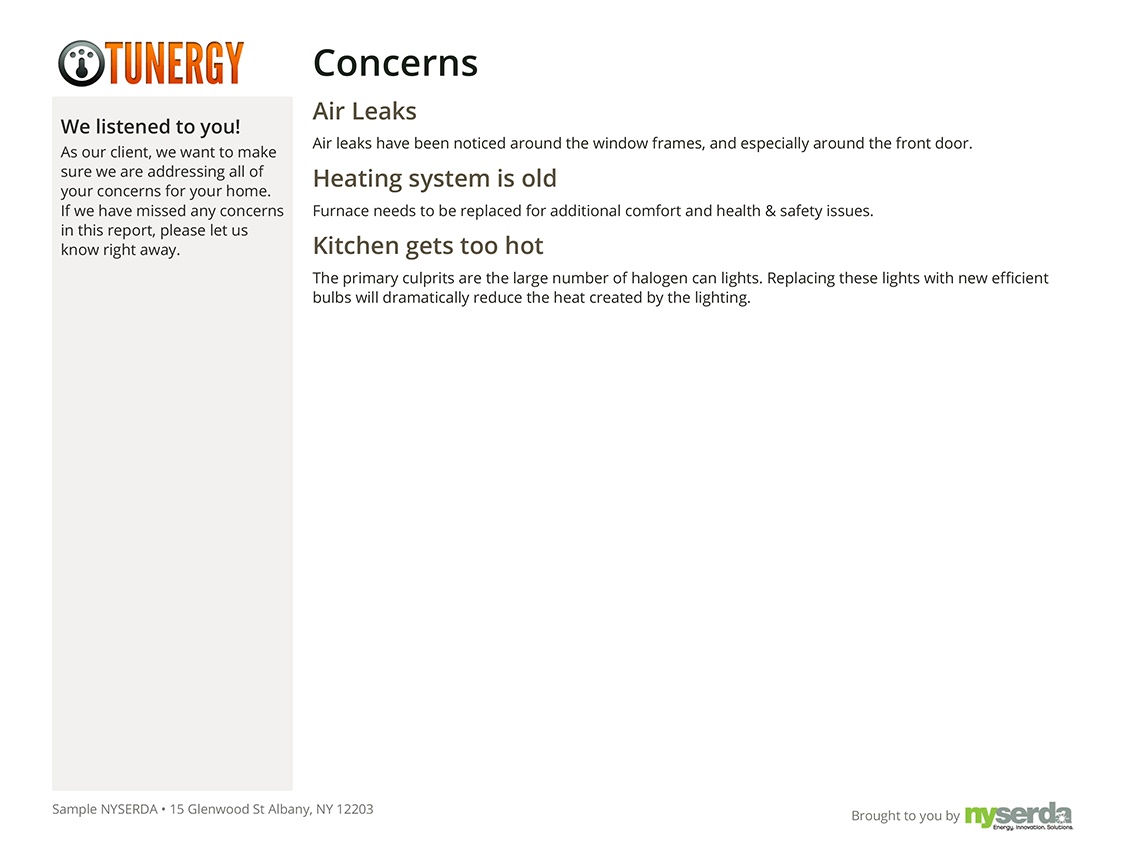

See your colleagues’ jobs as they evolve. Jump in to help. Every keystroke is saved to the cloud in an instant.
Manage one or multiple company accounts, invite users, set permissions, revoke access and more. All your company jobs are in one place in real time.
Snugg Pro’s UI adapts and resizes to work on tablets, laptops and smartphones. Works on Windows, Android, iOS and Linux.
Never install patches again. Snugg Pro is cloud-based. Updating is as easy as refreshing your web browser window.
Get help fast. Access free live chat support during business hours. Consult our online knowledge base around the clock for tips, how-to's and answers to common questions.
Access contextual videos, help articles and tips as you use Snugg Pro. Visit our searchable knowledge base for helpful articles.
Join weekly live webinars or access our self-paced training videos to get you and your team up to speed.
See new jobs created, stage changes and other important milestones in the job's activity feed.
Snugg Pro works with more than 50 home performance programs across the US to streamline the process for contractors and auditors.
Use Snugg Pro in your preferred program for:
Tell us about an home performance program you would like us to work with.
Some or all of these features are available in the following programs:








Learn more about pricing for home performance professionals:
VIEW PRICINGCorrupted drivers can cause the "USB Mass Storage Device" to behave abnormally. Press and select Device Manager . Expand Universal Serial Bus controllers .
Download the specific MPTool software and run it to force-flash a factory-fresh copy of the firmware onto your drive. Summary: Is Your USB Drive Salvageable?
| Main Controller | Capacity & Flash Type | Common Identification String | | :--- | :--- | :--- | | | ~1 GB Micron QLC | NAND USB2DISK | | FirstChip chipYD2022 | ~16 GB Hynix MLC | NAND USB2DISK | | FirstChip chipYC2018 | Various | NAND USB2DISK |
Another common symptom is a drive that appears in Device Manager but shows "Please insert a disk" when accessed. This can happen when:
Sometimes, another device takes your drive's assigned letter. Use Disk Management in Windows to assign a new drive letter. Preventing Future "Full" Issues
USB ports can fail. Plug the device into a different port, ideally directly into the motherboard (rear ports on a desktop) rather than a hub.
Many generic drives use QLC or low-grade TLC NAND, which contributes to slow speeds and short lifespans.
Type list disk , then select disk X (replace X with your USB's number). Type clean to wipe all partitions/signatures. Type create partition primary . Finally, format it in Windows.
To fix the error, you need to clear corrupt partition data or replace failing flash hardware. This error typically happens when a USB drive's controller chip loses communication with its NAND flash memory, or when the drive partition becomes deeply corrupted, falsely reporting that the drive has zero bytes of free space.
Microsoft Windows has supported USB mass storage since Windows 2000 via a generic driver, and third-party drivers became available for Windows 98 and Windows 98SE.
Outdated or corrupted USB drivers (see Windows Q&A regarding usbstor ) hinder data transfer.
Hidden files, including system backups, or unallocated space on the drive might be consuming space without being visible.